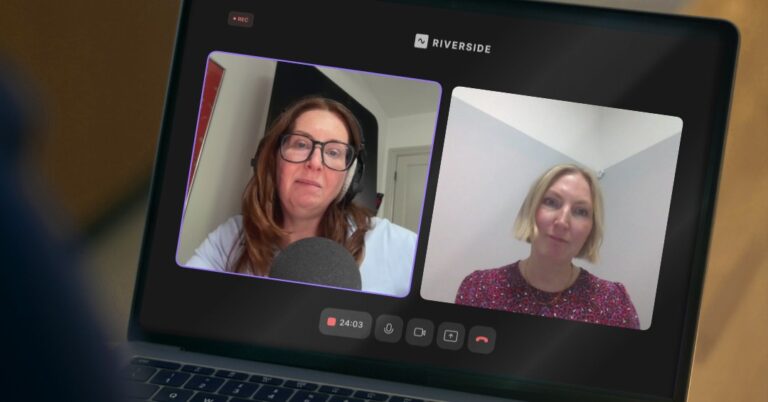
Hannah and Matt were interviewed by Liz Krieger from the New York Times about juror wellbeing. As noted in the article, Liz sat as part of a jury on a sexual assault trial in 2024.
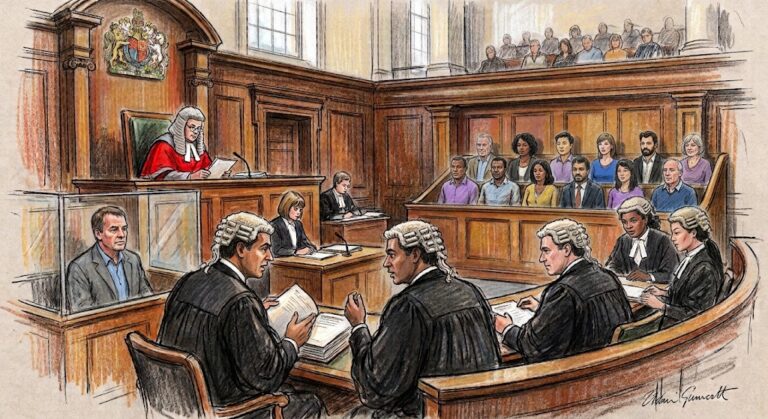
The New York Times article explores the psychological toll jury service can take, particularly in cases involving extreme violence or sexual harm. It opens with the experience of Chloe Beck, who served as an alternate juror in a child murder trial. Over several weeks, she was exposed to graphic evidence and devastating testimony, while being prohibited from discussing the case with anyone. After the trial, she experienced intrusive memories, anxiety, panic attacks and long‑term changes to everyday life, and was later diagnosed with post‑traumatic stress disorder.
Drawing on interviews with jurors, judges and mental health experts, the article explains how jurors can develop secondary or vicarious trauma through sustained exposure to disturbing material, especially when combined with isolation and a lack of formal support. It cites our 2025 study showing that trauma‑related symptoms can emerge very quickly, with participants in a simulated murder trial experiencing a marked increase in PTSD symptoms within a week of viewing graphic evidence. While juror wellbeing has historically received little attention, the article notes a growing shift, with some courts now introducing post‑trial counselling and psychological first aid programmes to better recognise and address juror trauma.